
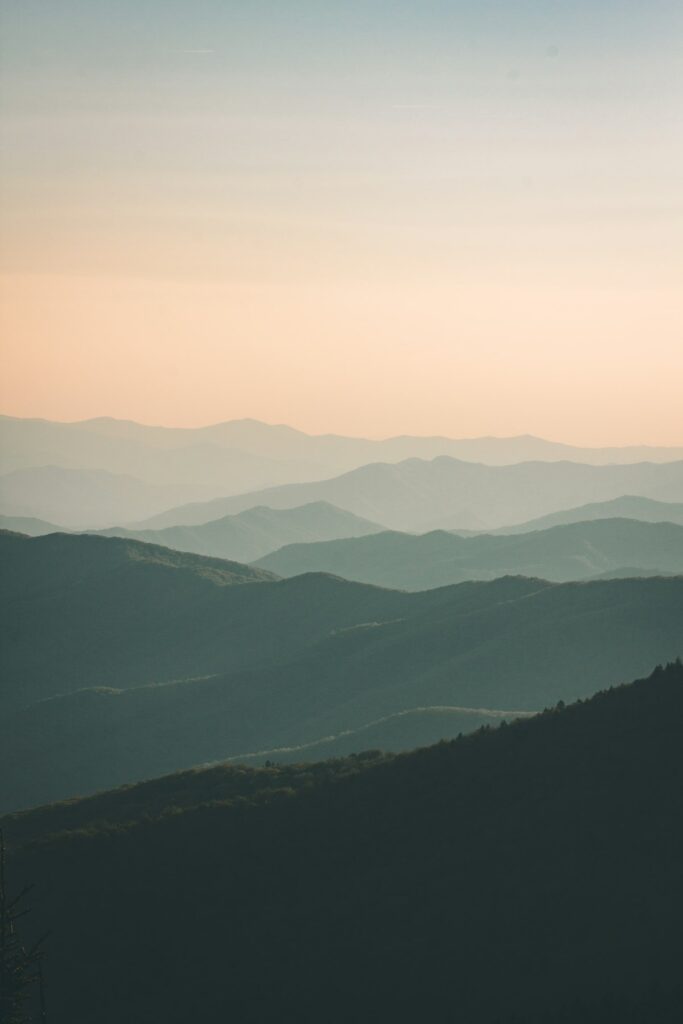
Here’s the good news up front: the cost to visit the Smokies starts at zero, because Great Smoky Mountains is the only one of America’s blockbuster national parks with no entrance fee at all. The most-visited park in the country — over 12 million people a year — lets you drive right in for free. The catch in 2026 is parking: you now need a paid parking tag to stop anywhere for more than 15 minutes. A solo camper can do three nights here for around $130. A couple lands near $300. A family of four runs $450–$650, almost all of it lodging and food. Here’s exactly where every dollar of the real cost to visit the Smokies goes — parking tags, camping, gateway towns, and the mountain of free scenery in between.
This post contains affiliate links. If you purchase through our links, we may earn a small commission at no extra cost to you — thanks for supporting TravelCheapUS!
Entry Fees (There Aren’t Any — But Read This)
Great Smoky Mountains charges no entrance fee, full stop. There’s no booth, no $35 vehicle pass, no America the Beautiful requirement to get in. What there is, since 2023, is the Park It Forward parking tag — required any time you park for longer than 15 minutes:
- Daily tag: $5
- Weekly tag: $15
- Annual tag: $40
For almost any trip, the $15 weekly tag is the right buy — it covers a full week for less than two daily tags. Two things to know: you can park up to 15 minutes anywhere without a tag (handy for a quick photo stop), and you must print your tag — digital screenshots are not accepted, and rangers won’t print it for you. Buy it online through Recreation.gov or at visitor centers and park kiosks. The money funds park operations and trail maintenance.
Getting There
The Smokies straddle the Tennessee–North Carolina line, and your gateway depends on which side you choose. On the Tennessee side, Knoxville (TYS) is about 45 minutes from the Gatlinburg entrance and is usually the cheapest airport to fly into. On the North Carolina side, Asheville (AVL) is roughly an hour from the Cherokee entrance. There’s no train and no in-park shuttle, so this is a driving trip — budget gas for getting there plus modest local driving, since the park’s main corridors are short.
The busiest, priciest gateway is Gatlinburg, with Pigeon Forge right behind it — this is Dollywood country and the strip can eat a budget fast. Quieter, cheaper bases include Townsend (“the peaceful side of the Smokies”) on the Tennessee side and Bryson City or Cherokee on the North Carolina side. For a rundown of the free stops hiding in the busy corridor, see these free and cheap things to do in Gatlinburg on our companion directory.
Where to Stay
Inside the park, camping is the budget play and the Smokies have plenty of it. The developed frontcountry campgrounds — Elkmont, Cades Cove, and Smokemont — all run $30 per night for an individual site, reserved through Recreation.gov. Cades Cove and Smokemont stay open year-round; Elkmont runs April through November. These book up fast for summer and October leaf season, so reserve the day your dates open. Note there are no showers or hookups — this is real camping, which is part of why it’s cheap.
Outside the park, gateway-town prices swing wildly. Gatlinburg and Pigeon Forge motels can run $90–$130 a night midweek in shoulder season but spike to $180–$300 on summer and October weekends. Townsend and Bryson City tend to run cheaper and calmer. If you want a roof, compare current rates for hotels in Gatlinburg on Booking.com, and aim for a midweek stay to dodge the weekend surge.
Food Costs
Gatlinburg and Pigeon Forge are tourist strips, so restaurant prices run accordingly: a pancake-house breakfast is $12–$18, a sit-down dinner $20–$35 a head. The famous splurge is a meal at the Pancake Pantry or a barbecue joint in town — fine once, pricey daily.
The budget play, as always, is to stock a cooler at a Food City or Walmart in Gatlinburg, Pigeon Forge, or Sevierville and picnic in the park. Every campground has tables, picnic areas dot the Park Loop and Cades Cove, and a sandwich beside a mountain stream beats the strip every time. Done this way, food runs $12–$18 per person per day.
What to Do (Nearly All of It Free)
This is where the Smokies shine for budget travelers — once you have your parking tag, almost everything is free. Cades Cove is an 11-mile loop through a historic valley with the park’s best wildlife viewing (black bears, deer, wild turkeys) and free pioneer cabins and churches. Newfound Gap and the drive to Kuwohi (the highest point in the park, formerly Clingmans Dome) deliver mile-high views for free. The Roaring Fork Motor Nature Trail, the Mountain Farm Museum, Mingus Mill, and hundreds of miles of trails to waterfalls like Laurel Falls and Grotto Falls all cost nothing. Time a early-June visit right and you might catch the famous synchronous fireflies (access is by lottery). You could fill four days here on parking tags alone.
The Real Cost to Visit the Smokies: Sample Budget
Here’s a realistic 3-night camping trip for two people, not counting how you get to Tennessee:
| Expense | Cost |
|---|---|
| Park entrance fee | $0 |
| Weekly parking tag | $15 |
| Campground (3 nights × $30) | $90 |
| Local gas (loop roads + town) | $45 |
| Groceries and food (3 days, 2 people) | $90 |
| One dinner out in Gatlinburg for two | $55 |
| Total | ~$295 for two (~$148/person) |
Skip the dinner out and pack all your meals, and the same trip drops near $110 per person — that’s the lean version of the cost to visit the Smokies, and it’s about as cheap as a marquee national park gets. A family of four sharing a campsite adds mostly food: figure $450–$650 for the full experience. The single biggest variable, by far, is whether you camp or book a Gatlinburg hotel.
Tips for Cutting the Cost to Visit the Smokies
Buy the weekly parking tag, not daily. At $15 for seven days versus $5 a day, the weekly tag pays for itself on day three and saves you a daily errand. Print it before you go.
Camp inside the park. A $30 campsite versus a $200 October Gatlinburg hotel room is the biggest saving on the table. Cades Cove and Smokemont are open year-round.
Base in Townsend or Bryson City, not Gatlinburg. The quieter gateways run cheaper on lodging and food, and you trade the crowded strip for a calmer drive into the park.
Use the 15-minute free window. Quick photo stops at overlooks don’t need a tag at all — the parking tag only kicks in past 15 minutes. Plan your short stops accordingly.
Visit on a weekday, or in spring/fall. Midweek dodges the worst crowds and the highest hotel rates, while April–May and September deliver great weather without the July heat or October leaf-season prices.
Exploring more of the region? See free and cheap things to do across Tennessee on our companion directory — from Nashville’s honky-tonks to Knoxville’s free museums.
Photo by Ivana Cajina on Unsplash