
Planning a national park trip and trying to figure out the cost to visit national parks in 2026? You’re not alone. Between entrance fees, camping, parking, and permits, the numbers can add up fast — or be totally free, depending on where you go.
This guide breaks down the real cost to visit national parks in 2026 — entrance fees, camping rates, permits, the free parks, and whether the America the Beautiful Annual Pass is worth it for your trip.
The America the Beautiful Annual Pass: Is It Worth It?
Before diving into individual park fees, let’s talk about the single best deal in outdoor travel: the America the Beautiful Interagency Annual Pass, which costs $80 per year for US residents.
This pass covers the entrance fee for the cardholder and up to three additional passengers in a personal vehicle at every national park, national monument, national forest, and other federal recreation area that charges an entrance fee. That’s over 2,000 federal sites across the country.
It pays for itself in just two visits to any park that charges $30 or more per vehicle. If you’re planning more than one national park visit in a year — even just a weekend road trip that hits two parks — it’s almost always the smarter buy.
You can buy it online at store.usgs.gov or at any federal recreation site entrance. Free passes are also available for US military members, fourth-grade students (Every Kid Outdoors program), and people with permanent disabilities. Senior passes are available for $20/year or $80 for a lifetime pass for those 62 and older.
Traveling with international visitors? Starting January 1, 2026, non-US residents pay an additional $100 per person (ages 16+) on top of the standard entrance fee at 11 of the most visited parks (Yellowstone, Yosemite, Grand Canyon, Zion, Glacier, Grand Teton, Rocky Mountain, Acadia, Bryce Canyon, Everglades, and Sequoia & Kings Canyon). There is a nonresident annual pass available for $250 that covers this surcharge. This new fee does not apply to US residents — just worth knowing if you’re bringing along foreign friends or family.
National Park Entrance Fees: The Full Breakdown
Entrance fees vary widely by park. Here’s a comprehensive look at what you’ll pay at the most visited national parks in the US, as of 2026. All fees cover a 7-day pass for a standard private vehicle and all its passengers.
| National Park | State | Vehicle Fee (7-day) | Per Person (walk-in/bike) |
|---|---|---|---|
| Grand Canyon | AZ | $35 | $20 |
| Yellowstone | WY/MT/ID | $35 | $20 |
| Yosemite | CA | $35 | $20 |
| Zion | UT | $35 | $20 |
| Rocky Mountain | CO | $35 | $20 |
| Grand Teton | WY | $35 | $20 |
| Glacier | MT | $35 | $20 |
| Olympic | WA | $30 | $15 |
| Acadia | ME | $35 | $20 |
| Bryce Canyon | UT | $35 | $20 |
| Joshua Tree | CA | $30 | $15 |
| Arches | UT | $30 | $15 |
| Canyonlands | UT | $30 | $15 |
| Shenandoah | VA | $30 | $15 |
| Mount Rainier | WA | $30 | $15 |
| Crater Lake | OR | $30 (summer) / $20 (winter) | $15 |
| Death Valley | CA/NV | $30 | $15 |
| Sequoia & Kings Canyon | CA | $35 | $20 |
| Mesa Verde | CO | $20 | $10 |
| Capitol Reef | UT | $20 | $10 |
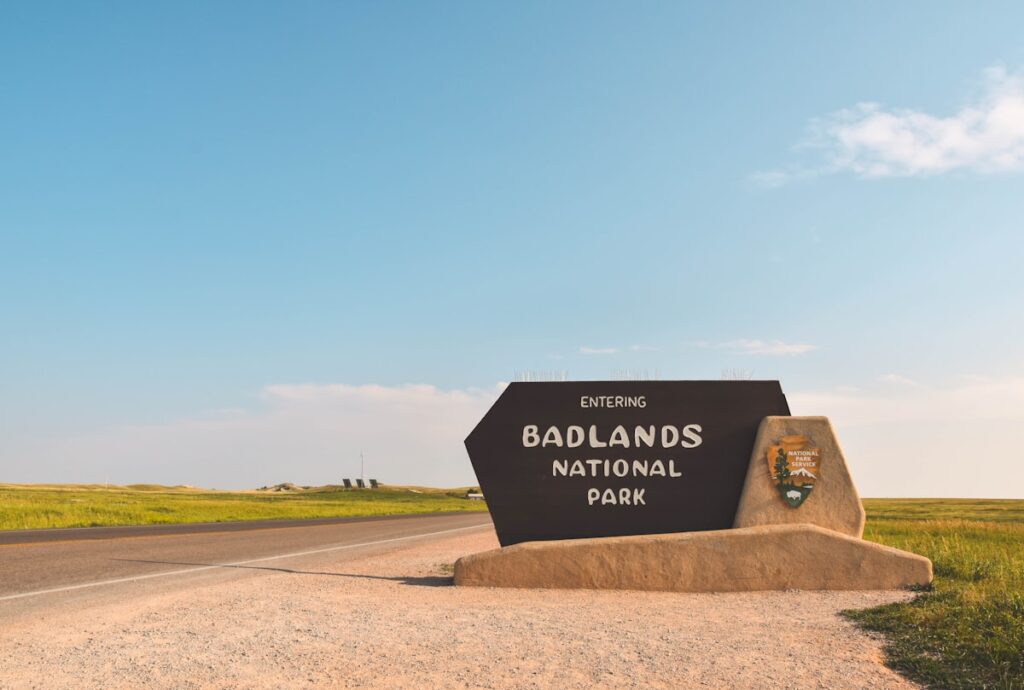
| Badlands | SD | $30 | $15 |
| Wind Cave | SD | Free | Free |
| Theodore Roosevelt | ND | $30 | $15 |
| Voyageurs | MN | Free | Free |
| Hot Springs | AR | Free | Free |
| Congaree | SC | Free | Free |
| Biscayne | FL | Free | Free |
| Everglades | FL | $35 | $20 |
| Great Smoky Mountains | TN/NC | Free | Free |
| Cuyahoga Valley | OH | Free | Free |
| Indiana Dunes | IN | Free | Free |
| New River Gorge | WV | Free | Free |
Note: Fees are for a standard private, non-commercial vehicle and cover all passengers for 7 consecutive days. Motorcycle fees are typically $25. Fees are subject to change — always verify at nps.gov before your trip.
Where to Base Your Trip: Affordable Gateway Towns
The cheapest way to visit most national parks is to skip the in-park lodges and stay in a budget-friendly gateway town nearby. These are the gateway cities our companion directory covers in depth — each has its own list of free and cheap things to do for the rest of your trip:
- Gatlinburg, TN — main gateway to Great Smoky Mountains
- Bar Harbor, ME — at the entrance to Acadia
- Hot Springs, AR — the gateway is the town (Hot Springs NP wraps around it)
- Medora, ND — the gateway town to Theodore Roosevelt NP
- Rapid City, SD — base for Badlands and Wind Cave
- Bozeman, MT and Jackson, WY — the two best budget bases for Yellowstone and Grand Teton
- Flagstaff, AZ — closest affordable base for the Grand Canyon South Rim
- Charlottesville, VA — near the southern entrance to Shenandoah
- Port Townsend, WA — gateway to the Olympic Peninsula
Free National Parks: More Than You’d Think
Over 100 national park sites across the US charge no entrance fee at all. Some of the most stunning parks in the country are completely free, including:
- Great Smoky Mountains (TN/NC) — the most visited national park in the US, and free every single day
- Cuyahoga Valley (OH) — 33,000 acres of waterfalls, trails, and historic sites, free year-round
- Indiana Dunes (IN) — 15 miles of Lake Michigan shoreline, no entrance fee
- New River Gorge (WV) — world-class whitewater and rock climbing, no charge
- Congaree (SC) — old-growth bottomland forest with free hiking and paddling
- Biscayne (FL) — a park that’s 95% water, with free access to the visitor center and shoreline
Additionally, the National Park Service offers several free entrance days per year — in 2026 those dates include Presidents Day (Feb 16), Memorial Day (May 25), Flag Day/President Trump’s Birthday (Jun 14), Independence Day weekend (Jul 3–5), the 110th Birthday of the National Park Service (Aug 25), Constitution Day (Sep 17), Theodore Roosevelt’s Birthday (Oct 27), and Veterans Day (Nov 11). Note: starting in 2026, free entrance days apply to US residents only. Check nps.gov for the current year’s free days.
Camping Costs at National Parks
Camping inside a national park is usually the most affordable overnight option — and often the most memorable. Here’s a realistic range of what to expect:
| Campground Type | Typical Nightly Cost | Notes |
|---|---|---|
| Primitive / dispersed camping | Free–$10 | No hookups, often no toilets; requires permit at some parks |
| Standard tent site (no hookups) | $15–$25 | Most common; includes bear boxes and pit toilets |
| Developed tent site (flush toilets, water) | $20–$35 | More amenities; reservations fill fast |
| RV site (no hookups) | $20–$30 | Larger pad; no electric or water |
| RV site (with hookups) | $35–$55 | Available at select parks only |
| Group campsites | $35–$75 | Per night for the whole group, not per person |
Important: Camping fees are separate from entrance fees. If you have the America the Beautiful Annual Pass, you still pay for camping — the pass only covers entrance. However, pass holders do receive a 50% discount on camping at some federal campgrounds.
Popular park campgrounds at Yosemite, Glacier, Arches, and Yellowstone book up months in advance through recreation.gov. Set a calendar reminder for exactly 6 months before your target dates — that’s when most reservations open.
Other Fees to Budget For
Entrance fees and camping aren’t the only costs. Depending on the park, you may also encounter:
- Timed entry permits: Yosemite Valley, Arches, and some other parks require timed entry reservations during peak season ($2 per reservation on top of the entrance fee)
- Shuttle parking: Some parks (Zion, Acadia) require you to park outside and take a free shuttle — but the parking lots themselves may charge $5–$20/day
- Guided tours: Ranger-led tours at Mammoth Cave, Carlsbad Caverns, and Mesa Verde cost $5–$25 per person and are often required to access certain areas
- Backcountry / wilderness permits: Required for overnight backpacking at most parks. Costs range from free to $15 per person per night. Grand Canyon’s North Rim permit is notoriously hard to get
- Boat launch fees: $10–$25 at waterway-heavy parks like Voyageurs and Biscayne
- In-park gas and food: Budget 20–30% more than you would outside the park — prices are high and options are limited
How to Cut the Cost to Visit National Parks
Here are the strategies that actually move the needle:
- Get the $80 Annual Pass if you’ll visit more than one fee-charging park in a year. It pays for itself on visit two.
- Visit free parks first. Great Smoky Mountains gets 13 million visitors a year for a reason — it’s spectacular and costs nothing to enter.
- Go in shoulder season. Crowds drop, permit systems often lift, and campsite availability improves. Late September through early November and mid-March through May are sweet spots for most Western parks.
- Camp over staying in lodges. In-park lodges at Yellowstone and Yosemite can run $250–$500/night. A campsite at the same park costs $25.
- Cook your own food. A camping stove and a cooler of groceries will save you $30–$50 a day compared to eating at in-park restaurants.
- Check the free entrance days calendar. If your schedule is flexible, timing a visit to a free entrance day saves real money.
- Look into volunteer programs. The NPS Volunteers-In-Parks (VIP) program sometimes offers free camping in exchange for trail work or visitor center help.
Sample Budget: 5-Day National Park Road Trip
To make this concrete, here’s what a budget-conscious 5-day trip to Utah’s Mighty 5 (Zion, Bryce Canyon, Capitol Reef, Arches, Canyonlands) might look like for two people sharing a vehicle:
| Expense | Cost |
|---|---|
| America the Beautiful Pass (covers all 5 parks) | $80 |
| Camping (5 nights × $22 avg) | $110 |
| Gas (approx. 800 miles at 30 mpg, $3.20/gal) | $85 |
| Groceries / food (5 days, 2 people) | $120 |
| Permits and misc. fees | $25 |
| Total | ~$420 for two people (~$210/person) |
Five days, five world-class national parks, $210 per person. That’s the power of planning ahead and using the annual pass.
Final Thoughts
The cost to visit national parks in the US is genuinely one of the best deals in travel. Even the parks that charge entrance fees are remarkably affordable when you consider what you get — thousands of acres of protected wilderness, maintained trails, ranger programs, and experiences that rival anything you’d pay hundreds of dollars for elsewhere.
The key is going in informed. Know which parks are free, grab the annual pass if you’re hitting more than one fee-charging park, book your campsite early, and bring your own food. Do that, and a national park trip is absolutely within reach on almost any budget.
Related Articles:
Best Budget-Friendly National Parks to Visit
How to Find Free Camping Across America
Best Budget Road Trip Destinations in the US