
If you want to avoid national park crowds this summer, 2026 is the year to take it seriously. Yosemite, Arches, and Glacier all dropped their timed-entry reservation systems for 2026, which is great for spontaneous travelers but bad news for anyone hoping the summer crush would ease up. The good news: with the right timing, the right park choice, and a couple of insider moves, you can still have an empty trail to yourself in the most popular parks in America. Here’s how to avoid national park crowds without sacrificing the scenery you came for.
Time of Day Beats Everything Else
The single biggest lever to avoid national park crowds is what time you start. Most park visitors don’t arrive until between 10 a.m. and 11 a.m. — show up at sunrise and you’ll have iconic spots like Logan Pass, Bright Angel trailhead, or Yosemite Valley almost entirely to yourself for two to three hours. Sunrise also brings active wildlife, the best light for photos, and a parking spot at trailheads that fill up by 7:30 a.m. on summer weekends.
The other window is after 3 p.m. Day-trippers head home, tour buses leave, and the trails empty out. Sunset hikes at places like Mesa Arch (Canyonlands), Cadillac Mountain (Acadia), and Tunnel View (Yosemite) are gorgeous and far less crowded than the same spots at noon. If you’re not a morning person, the late-afternoon window is the next best thing.
Tuesday or Wednesday, Always
Weekend crowds at major parks can be three to four times weekday crowds. Tuesday and Wednesday are consistently the quietest days at every popular park — weekend warriors have gone home, and the next wave of weekenders hasn’t arrived yet. Sunday afternoon is also surprisingly empty as families head out for the drive home.
If your schedule lets you, build your trip around midweek. A Tuesday-Wednesday-Thursday in Yellowstone is a different park than the same Friday-Saturday-Sunday.
Shoulder Season Is Magic
The biggest single trick to avoid national park crowds is going outside peak summer entirely. Most major parks are at 70–80% of peak capacity in late May through early June and again from mid-September through October. Weather is still excellent, trails are fully open, gateway-town lodging drops 25–40%, and you’ll have actual quiet on the trail.
Park-specific sweet spots:
- Yellowstone: Late May (bison calves are out) or late September (elk rut, smaller crowds)
- Glacier: Late June (the moment Going-to-the-Sun fully opens) or mid-September
- Yosemite: May (waterfalls peak) or October (no summer haze)
- Grand Canyon: March, April, October (avoid July—110°F)
- Zion: March, April, October (summer is brutally hot)
- Acadia: May or late September (fall foliage starts mid-Sept)
Pick the Underrated Park Next Door
One of the most effective ways to avoid national park crowds is to skip the famous one entirely. Nearly every overcrowded park has an underrated neighbor that delivers the same kind of scenery with a fraction of the people.
- Instead of Glacier (3.2 million visitors) → try North Cascades, WA (47,000 visitors, more glaciers than the entire Lower 48 combined)
- Instead of Yellowstone (4.7 million) → try Lassen Volcanic, CA (geysers, mud pots, a volcano, no buses)
- Instead of Zion (4.6 million) → try Capitol Reef, UT (red rock canyons, free orchards, fewer than 1.5 million visitors)
- Instead of Arches → try Canyonlands next door (same red rock, half the crowds)
- Instead of Great Smoky Mountains → try New River Gorge, WV (whitewater, climbing, brand-new park)
- Instead of Bryce Canyon → try Cedar Breaks National Monument, UT (a smaller, quieter version 60 miles away)
- For real solitude → Great Basin, NV (140,000 visitors, bristlecone pines, darkest night sky in the Lower 48)
Use the Lesser-Known Entrance
Even at the busiest parks, the back-door entrance is often 70% less crowded than the famous gate. A few that matter:
- Yellowstone: The Northeast Entrance through Lamar Valley is dramatically quieter than the West Entrance at West Yellowstone
- Glacier: The east-side entrances (St. Mary, Many Glacier, Two Medicine) get a fraction of the crowds the West Entrance does
- Grand Canyon: The North Rim is 10% as crowded as the South Rim and arguably more spectacular
- Yosemite: The Hetch Hetchy and Tioga Pass entrances skip the Yosemite Valley bottleneck entirely
- Rocky Mountain: Grand Lake (west side) is much quieter than Estes Park
- Acadia: The Schoodic Peninsula section is a 45-minute drive from the main park and has 90% fewer people
Hike Just a Little Further
Trail crowds drop off sharply at the one-mile mark and again at the three-mile mark. Of all the people who park at a trailhead, fewer than 10% will go past three miles. If a trail is famously crowded at the lake, keep going to the next viewpoint — the views are usually just as good and you’ll have it to yourself. The Avalanche Lake trail at Glacier is mobbed at the lake; almost no one walks the additional half-mile around it.
What About the One Park Still Requiring Reservations?
Rocky Mountain National Park is the major holdout — it’s still using timed-entry reservations for the Bear Lake corridor from late May through mid-October 2026. Reservations open 30 days in advance, are released in monthly batches, and sell out within hours. Set a calendar reminder. If you can’t get a reservation, you can still enter the park before 9 a.m. or after 2 p.m. without one — another reason the sunrise strategy wins.
Several parks still require timed-entry permits for specific attractions even without a park-wide system — Half Dome at Yosemite, The Wave at Vermilion Cliffs (a BLM area, not NPS), and the Inca Trail-style Old Rag day-use at Shenandoah. Check the park’s “Plan Your Visit” page before you go.
Quick Checklist to Avoid National Park Crowds
- Be at the gate before sunrise, or arrive after 3 p.m.
- Pick Tuesday, Wednesday, or Thursday over weekends
- Go in late May / early June or mid-September / October instead of July-August
- Use the back-door entrance whenever the park has one
- Hike past the first overlook — crowds vanish at mile 3
- Consider the underrated neighbor park
- For Rocky Mountain, get the timed-entry permit 30 days out or arrive before 9 a.m.
- Check the park’s “Current Conditions” page the morning of your visit for closure surprises
Do half of these and you’ll have a different national park experience than 90% of the people there with you. Do all of them, and you’ll wonder why anyone says the parks are crowded at all.
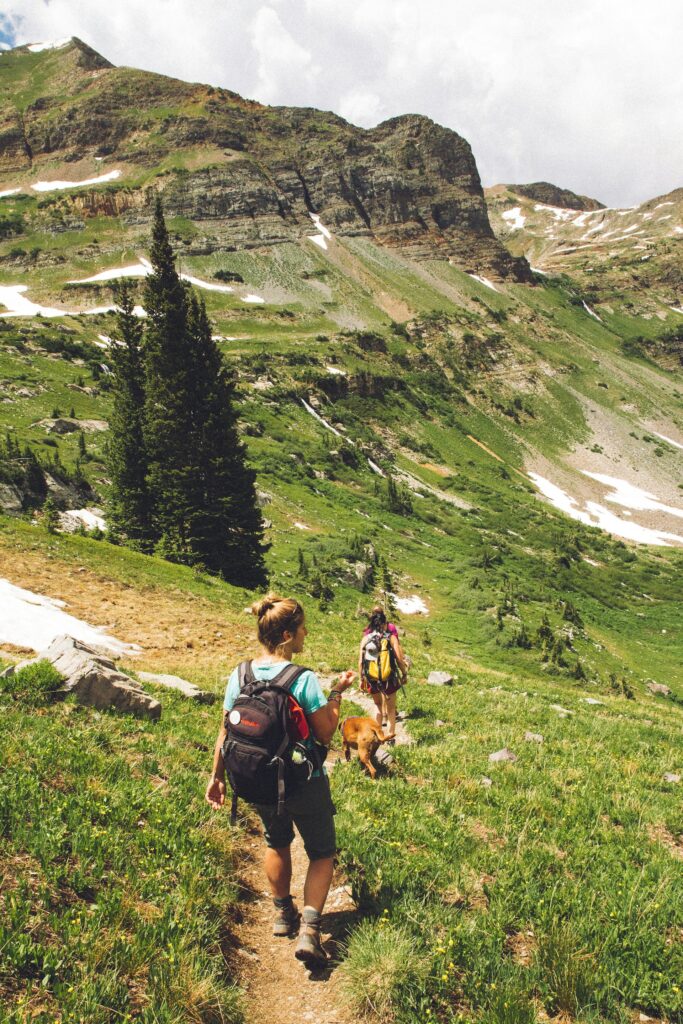
Photo by Holly Mandarich on Unsplash