
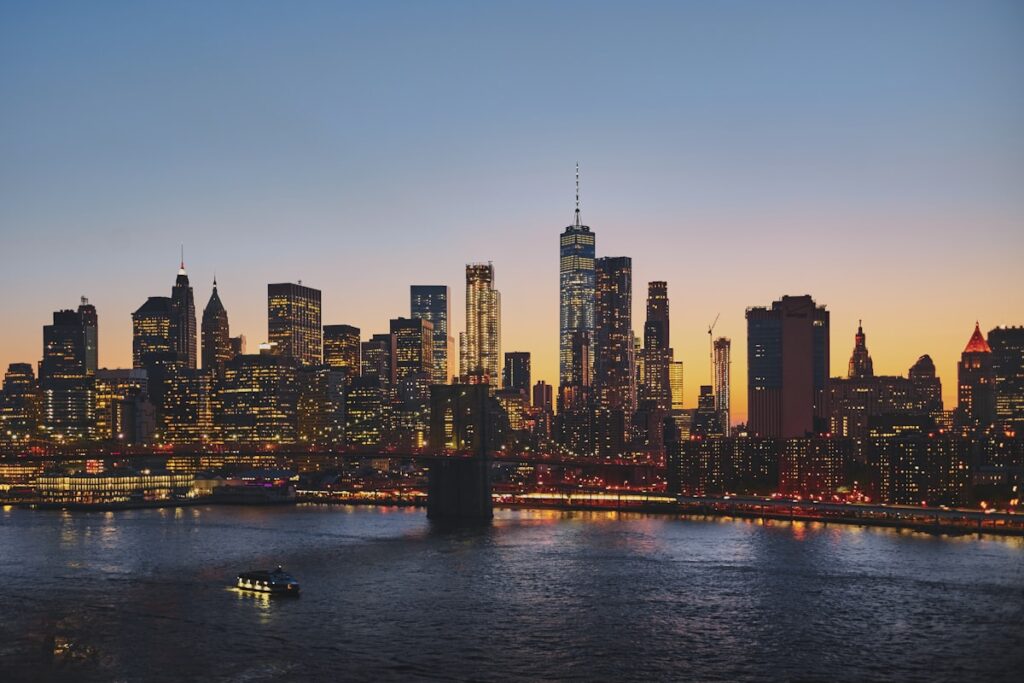
New York City on a budget sounds like a contradiction. It isn’t. Yes, NYC can drain a wallet faster than any city in America — but it also hands you more world-class free experiences than anywhere else on the continent. The free Staten Island Ferry sails past the Statue of Liberty 24/7. Central Park’s 843 acres cost nothing. The High Line, the Brooklyn Bridge walk, Grand Central, the New York Public Library, Bryant Park, the 9/11 Memorial plaza — all free. The trick to doing New York City on a budget is knowing where the money traps are and routing around them.
This guide breaks down a real day in New York City for under $200 — lodging, transit, food, and a full slate of things to see and do. The numbers reflect current 2026 pricing, including the OMNY fare changes that took effect in January. The headline: with NYC’s free attractions doing the heavy lifting, your daily spend comes down almost entirely to where you sleep and where you eat. Control those two and $200 a day is comfortable, not tight.
Why New York City Works on a Budget
Here’s the thing most people miss: the single most expensive thing about New York — the attractions — can be almost free. The paid headliners (Empire State Building, Top of the Rock, One World Observatory) all have free alternatives that are arguably better. The Staten Island Ferry beats any paid Statue of Liberty cruise. The Roosevelt Island Tram gives you a skyline view for the price of a subway swipe. Walking the Brooklyn Bridge at sunrise costs nothing and out-photographs every paid observation deck.
The other thing in your favor: New York has the best public transit in the country. You will not need a car, a rideshare, or a single taxi. One $3 subway swipe takes you from the Bronx to Coney Island. That alone removes the budget line that wrecks most other city trips.
Getting to New York City Cheap
How you arrive sets the tone for your whole budget. Compare these before booking:
- Intercity bus (Megabus, FlixBus, Greyhound, OurBus): The cheapest way in from anywhere in the Northeast. Realistic fares run $15–$45 one-way from Boston, Philadelphia, Baltimore, DC, or Pittsburgh if you book a few weeks out. Most drop you at the Port Authority Bus Terminal or near Midtown — already on the subway grid.
- Flying: Spirit, Frontier, and JetBlue run cheap fares into all three airports. Compare JFK, LaGuardia (LGA), and Newark (EWR) every time — the cheapest fare often isn’t the airport you’d expect, and all three connect to Manhattan on public transit (see below).
- Amtrak: Pricier than the bus but drops you right in the middle of Manhattan at Penn Station. Worth it on the Northeast Regional if you catch a sale.
Getting from the airport to Manhattan without a $70 taxi is easy if you know the routes:
- JFK: AirTrain ($8.50) + subway ($3) = $11.50 to Midtown, about 60–75 minutes.
- LaGuardia: The free Q70 LaGuardia Link bus to the subway, then a $3 ride in. $3 total — the cheapest airport run of the three.
- Newark (EWR): AirTrain Newark + NJ Transit to Penn Station runs about $16. Still a fraction of a car service.
Whatever you do, skip the taxi line and the rideshare surge. Public transit into the city is one of the biggest single savings of the whole trip.
Where to Stay in New York City on a Budget
Lodging is the line that makes or breaks a New York budget. Midtown hotels routinely run $250–$400+ a night in summer. Here’s how to stay for a fraction of that:
- Hostels: NYC dorm beds run roughly $40–$75/night depending on season and borough. HI NYC Hostel on the Upper West Side is the reliable standby — clean, safe, walkable to Central Park, with a self-serve kitchen and free Wi-Fi. Brooklyn and Long Island City hostels often undercut Manhattan by $10–$20 a night.
- Outer-borough hotels and Airbnbs: Long Island City (Queens), Astoria, and parts of Brooklyn put you one subway stop from Manhattan for budget hotel rates in the $90–$150 range — often half of what the same room costs across the river.
- Skip Times Square hotels: You pay the biggest premium in the city for the privilege of staying in its most crowded, overpriced square. Stay a 15-minute train ride out and spend the savings on actually doing things.
Long Island City and Astoria are safe, well-connected, and loaded with cheap food. The N/W and 7 trains get you to Midtown in 10–15 minutes. For more on choosing between a hostel, hotel, or short-term rental, see our guide on how to use Airbnb vs. hotels to save the most money.
Getting Around New York City for Almost Nothing
The MTA subway and bus system is the best transit deal in any major US city. Here’s what you need to know for 2026:
- Single subway or local bus ride: $3.00 — one fare, unlimited transfers between subway and bus for two hours.
- OMNY weekly fare cap: Tap the same card or phone all week, and once you hit $35 (after 12 rides), every ride for the rest of the week is free. No need to pre-buy an unlimited pass — just keep tapping the same device and the system caps you automatically.
- How to pay: Tap your phone, contactless credit card, or a $1 OMNY card right at the turnstile. No MetroCard needed anymore.
- Staten Island Ferry: Free, always. The Roosevelt Island Tram is a regular $3 swipe for one of the best views in the city.
For short hops, walk — Manhattan is dense and the street grid is easy. Citi Bike has a $5 single ride or a roughly $19 day pass for unlimited classic-bike rides under 30 minutes each. Watch the Citi Bike e-bike surcharge — it adds a per-minute fee on top of the day pass that adds up fast, just like every other city’s bike share.
Best Free Things to Do in New York City
This is the heart of doing New York City on a budget. Stack your day with these and you’ll spend more time having an incredible trip than paying for one:
- Staten Island Ferry: A free, 25-minute round-trip across New York Harbor with unobstructed views of the Statue of Liberty and Lower Manhattan. Runs 24/7. This is the single best free thing to do in NYC — see it and dozens of other free things to do in New York City on our companion directory.
- Central Park: 843 free acres — the 6-mile loop, Belvedere Castle, the Great Lawn, the Ramble, free summer programming including Shakespeare in the Park (free lottery tickets). You could spend a whole day here and not spend a dime.
- The High Line: A 1.45-mile elevated park built on an old rail line, threading through the West Side past public art and skyline views. Free, open daily. Ends at Chelsea Market for a cheap lunch.
- Brooklyn Bridge walk: The 1.3-mile pedestrian crossing with the best skyline views in the city, ending in DUMBO and Brooklyn Bridge Park. Go at sunrise to beat the crowds.
- Grand Central Terminal & the New York Public Library: Two free Beaux-Arts landmarks five minutes apart. Don’t miss Grand Central’s Whispering Gallery or the NYPL’s Rose Main Reading Room (free docent tours).
- 9/11 Memorial Plaza: The outdoor plaza and reflecting pools are free and open daily (the museum is separate and paid — skip it on a tight budget; the plaza is the powerful part).
- Bryant Park & Times Square: Free year-round programming at Bryant Park (yoga, chess, piano, summer movies) and the all-hours spectacle of Times Square, best just after sunset.
- Coney Island Beach & Boardwalk: Free beach, free 2.7-mile boardwalk, and free Friday-night summer fireworks — a perfect free day, one $3 subway ride from Manhattan.
A note on the big museums: The pay-what-you-wish and free-evening deals at the Met, MoMA, and the American Museum of Natural History are now limited to New York State residents (and, for the Met, students from NY, NJ, and CT). Out-of-state visitors pay full admission — about $30 at the Met and $30 at MoMA. If you want one museum, budget for it as your single paid splurge of the day, or lean entirely on the free attractions above, which are more than enough to fill a trip.
Cheap Eats Worth Building a Day Around
New York is one of the great cheap-eats cities on earth — if you eat like a local instead of a tourist. You can eat genuinely well on $25–$40 a day:
- Pizza by the slice: A classic cheese slice runs $3.50–$5 almost everywhere. Joe’s Pizza in the West Village is the iconic stop; 2 Bros has $1.50 slices around Manhattan for the truly broke.
- Halal carts: A chicken-and-rice platter runs $8–$13 and feeds you for hours. They’re on half the Midtown corners — look for the longest line.
- Bagels: A real NYC bagel with cream cheese runs $3–$6 — the best cheap breakfast in the city. Add coffee from a cart for $2.
- Queens international food: Jackson Heights and Flushing serve some of the best (and cheapest) food in the country — Colombian, Thai, Chinese, South Asian street food from $5–$10 a plate. Worth the subway ride.
- Food halls and dumplings: Chinatown dumpling shops, Chelsea Market stalls, and Smorgasburg (weekends) let you eat well for $10–$15.
The budget killer is sit-down restaurants, where a casual meal easily hits $25–$35 before tax and tip. Save those for one nice dinner and eat the rest of your meals from carts, counters, and slice shops. If your hostel has a kitchen, one grocery run for breakfast supplies pays for itself by day two.
A Sample New York City Day Under $200
Here’s how the math actually works for one person doing New York City on a budget for a full day — including a share of lodging:
- Lodging (1 night, hostel dorm or split outer-borough room): ~$65
- Transit (OMNY, a full day of subway rides): ~$12
- Food (bagel + coffee breakfast, halal-cart lunch, one nice-ish dinner): ~$40
- One paid splurge (a museum, an observation deck, or a Broadway rush ticket): ~$40
Running total: ~$157 — comfortably under $200, with $40 of breathing room. Skip the paid splurge (you won’t run out of free things to do) and you’re closer to $115. This is why New York rewards budget travelers who know the free attractions: the city does the work for you.
Morning: Lower Manhattan & the Harbor
Grab a bagel and coffee from a cart. Walk the Brooklyn Bridge from the Manhattan side at sunrise, then ride back. Head to the Staten Island Ferry for the free harbor cruise past the Statue of Liberty. Stop at the 9/11 Memorial Plaza on the way back uptown.
Afternoon: Midtown & the West Side
Halal-cart lunch in Midtown. Walk through Grand Central and the New York Public Library, then over to Bryant Park. Take the High Line south to north, ending at Chelsea Market. This is where you slot your one paid splurge if you want one — a museum or an observation deck.
Evening: Central Park & the Lights
Late afternoon in Central Park — the Mall, Bethesda Terrace, the Great Lawn. Cheap dinner in your neighborhood or a Queens food crawl. End in Times Square after dark for the full free spectacle, or catch the sunset from the Roosevelt Island Tram for the price of a subway swipe.
New York City Budget Tips Most Guides Skip
- Use the OMNY fare cap, not a 7-day pass. Just tap the same phone or card all week — you’ll never overpay, and you skip the upfront cost.
- The free observation deck is the Staten Island Ferry. Skip the $40+ paid decks unless one is a must-do; the ferry and the Roosevelt Island Tram give you the views for free or $3.
- Broadway rush and lottery tickets exist. Many shows release $30–$50 rush or digital-lottery seats day-of. The TKTS booth in Times Square discounts same-day tickets too.
- Drink tap water and carry a bottle. NYC tap water is excellent and free refill stations are everywhere. A $4 bottled water three times a day is $12 you don’t need to spend.
- Eat one block off the main drag. Food a single block from Times Square or any major attraction is often half the price.
- Skip the airport taxi. The AirTrain-plus-subway combos above save $50–$70 every single airport trip.
Best Time to Visit New York City on a Budget
New York has real seasons, and your hotel bill swings hard with them:
- January–February: The cheapest months by far. Hotel and hostel rates drop sharply after the holidays. It’s cold, but the city is fully indoors-friendly and the deals are real.
- Late winter into spring (March–May) and fall (late September–November): The shoulder-season sweet spots — mild weather, lighter crowds, and rates well below summer peak.
- June–August: Peak prices but also peak free programming — free outdoor concerts, movies in the parks, Shakespeare in the Park, beach days at Coney Island, and Fourth of July fireworks. If you visit in summer, lean hardest on the free events to offset the higher lodging cost.
- Around the holidays (late November–December): Magical but the most expensive and crowded stretch of the year. Beautiful to visit, brutal on a budget.
New York City Budget Travel FAQs
Can you really do New York City for under $200 a day?
Yes — comfortably, for one person. Stay in a hostel or an outer-borough room, use OMNY instead of taxis, eat from carts and slice shops, and lean on the free attractions, and a full day lands around $150–$160 with room for one paid splurge. For two people sharing a room, the per-person daily cost drops even lower because lodging splits in half.
What’s the cheapest way to get around NYC?
The subway, hands down. A $3 ride goes anywhere in the system, and the OMNY weekly fare cap means you never pay more than $35 in any seven-day stretch. Walk for short hops, and use the free Staten Island Ferry for the harbor. You will not need a car or a single taxi.
Do I need to pay for museums in New York?
Only if you want to. The Met, MoMA, and the Natural History Museum now limit their pay-what-you-wish and free-evening deals to New York-area residents, so out-of-state visitors pay full price (around $30). But the city’s best experiences — the ferry, Central Park, the High Line, the bridges, the landmarks — are all free. Budget for one museum as a splurge, or skip them entirely without missing much.
Is New York City safe for tourists?
The neighborhoods tourists actually visit — Midtown, Lower Manhattan, the Village, the Upper West and East Sides, DUMBO, Long Island City, Astoria — are busy and well-trafficked day and night. Use normal big-city common sense: watch your bag, stay aware on late-night subway platforms, and stick to busier train cars. Millions of visitors a year have no issues.
The Bottom Line
New York City on a budget genuinely works — not by suffering through it, but because the city’s very best experiences happen to be free. The Staten Island Ferry, Central Park, the High Line, the Brooklyn Bridge, and a dozen free landmarks fill a trip on their own. Control your lodging and your food, ride the subway, and a full New York day comes in well under $200 without sacrificing anything that makes New York New York.
Planning to explore beyond the five boroughs? See free and cheap things to do across New York State on our companion directory — from Niagara Falls to the Adirondacks to Long Island’s beaches.
Related Articles
- Chicago on a Budget: A Weekend for Under $200
- Best Free Things to Do in America’s Most Visited Cities
- 10 US Cities You Can Explore on a Shoestring Budget
Photo: Luca Bravo / Unsplash