
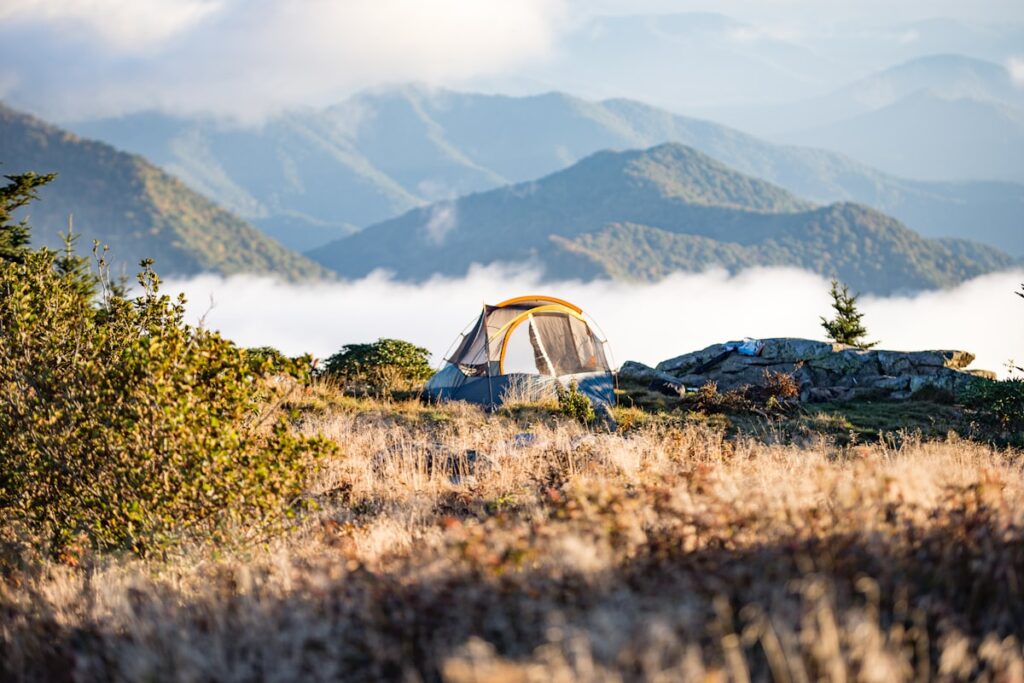
Free camping in America — also called dispersed camping or boondocking — is one of the best-kept secrets in budget travel. While most people assume camping means paying for a campsite, millions of acres of public land across the United States allow you to camp for free, often in spectacular settings with zero crowds. No hookups, no amenities, no fee — just you and the wilderness.
Here’s everything you need to know to find free camping across America and do it right.
Where Free Camping Is Legal in the US
Free dispersed camping is allowed on most land managed by the Bureau of Land Management (BLM) and the US Forest Service (USFS). These two agencies together manage over 400 million acres — mostly in the western United States, though Forest Service land exists in nearly every state. On this land, you can generally camp anywhere that isn’t designated as a restricted area, near a water source, or posted with “no camping” signs.
The standard rules for dispersed camping on BLM and USFS land are: stay no more than 14 days in one spot, camp at least 200 feet from water sources, pack out all trash, and use a fire ring or Leave No Trace practices for campfires. After 14 days, you need to move at least 25 miles before camping in the same area again.
Best Tools for Finding Free Camping in America
1. The Dyrt (Free + Pro Version)
The Dyrt is one of the best campsite-finding apps available, with a massive database of user-submitted reviews and photos for both paid and free campsites. The free version is excellent for finding dispersed camping areas, and the Pro version ($35/year) adds offline maps — essential when you’re in areas with no cell service. Search by location and filter for “free” to see what’s near you.
2. iOverlander
iOverlander is a community-driven app popular with overlanders and van life travelers. It’s entirely free and crowdsourced, meaning real travelers have marked spots they’ve actually camped at. The quality of spots varies, but it’s excellent for finding off-the-beaten-path free camping that doesn’t show up in official databases.
3. Recreation.gov and BLM’s Official Maps
For official information, the BLM’s online mapping tool (available at blm.gov) shows which land is public and open to dispersed camping. You can also call the local BLM or Forest Service field office — rangers are genuinely helpful and will tell you exactly where dispersed camping is currently allowed and if there are any fire restrictions in effect.
4. Campendium
Campendium is another community-driven site with detailed reviews, GPS coordinates, and cell signal ratings for campsites. It has a strong focus on free and low-cost camping and is particularly popular with RVers and van lifers who camp for extended periods.
Best Regions for Free Camping in the US
The American Southwest
The Southwest is the holy grail of free camping. Utah, Nevada, Arizona, New Mexico, and Colorado have enormous amounts of BLM land with stunning desert scenery. Moab, Utah is surrounded by BLM land where you can camp for free just minutes from Arches and Canyonlands National Parks. The area around Sedona, Arizona has free dispersed camping in the Coconino National Forest. The entire stretch of Highway 50 across Nevada — “The Loneliest Road in America” — is lined with free BLM camping.
The Pacific Northwest
Oregon and Washington have extensive National Forest land open to dispersed camping. The Okanogan-Wenatchee National Forest in Washington and the Deschutes and Willamette National Forests in Oregon are full of free sites in stunning mountain and forest settings. The Oregon Coast also has free camping options in the Siuslaw National Forest, often within a short walk of the beach.
The Rocky Mountains
Colorado, Montana, Wyoming, and Idaho all have massive amounts of National Forest land with free dispersed camping. In Colorado, you can camp for free in the White River, Pike, and San Isabel National Forests — some of the most scenic alpine terrain in North America. In Montana, the Flathead National Forest near Glacier National Park offers free camping that’s just as beautiful as anything inside the park itself.
Free Camping in the East — Yes, It Exists
Free dispersed camping is less common in the eastern US, but it does exist. The George Washington and Jefferson National Forests in Virginia and West Virginia allow dispersed camping on most of their land. The Cherokee and Nantahala National Forests in North Carolina and Tennessee have dispersed camping areas. The Green Mountain National Forest in Vermont and the White Mountain National Forest in New Hampshire both allow it in designated areas.
In the East, it’s more important to check with the specific forest district before assuming dispersed camping is allowed — rules vary more than in the West, and some areas require permits or have seasonal restrictions.
Free Camping Tips for Beginners
- Always check for fire restrictions before you go. Many areas in the West have seasonal fire bans. Check InciWeb or the local forest service website before assuming campfires are allowed.
- Have a paper or offline map. Free campsites are often in areas with no cell service. Download offline maps (Google Maps, Maps.me, or The Dyrt Pro) before you leave.
- Bring more water than you think you need. Dispersed camping rarely has water sources. Plan on at least one gallon per person per day and carry extra.
- Leave No Trace. Pack out everything you pack in. Free camping stays free because people treat it right — don’t be the reason an area gets closed.
- Arrive with daylight. Finding a dispersed campsite in the dark is stressful and increases the chance of camping somewhere you shouldn’t. Arrive with at least an hour of light to spare.
- Tell someone where you’re going. Dispersed campsites are often remote. Let a friend or family member know your location and when to expect you back.
Bottom Line
Free camping in America is one of the most powerful tools a budget traveler has. With the right apps, a little research, and basic Leave No Trace practices, you can spend weeks exploring America’s most beautiful landscapes for essentially zero lodging cost. The West has the most options by far, but free camping exists in every region — you just have to know where to look.
Related Articles
- Best Budget-Friendly National Parks to Visit
- Best Budget Road Trip Destinations in the US
- How to Travel the US on $50 a Day
Photo credit: Henrikke Due on Unsplash