
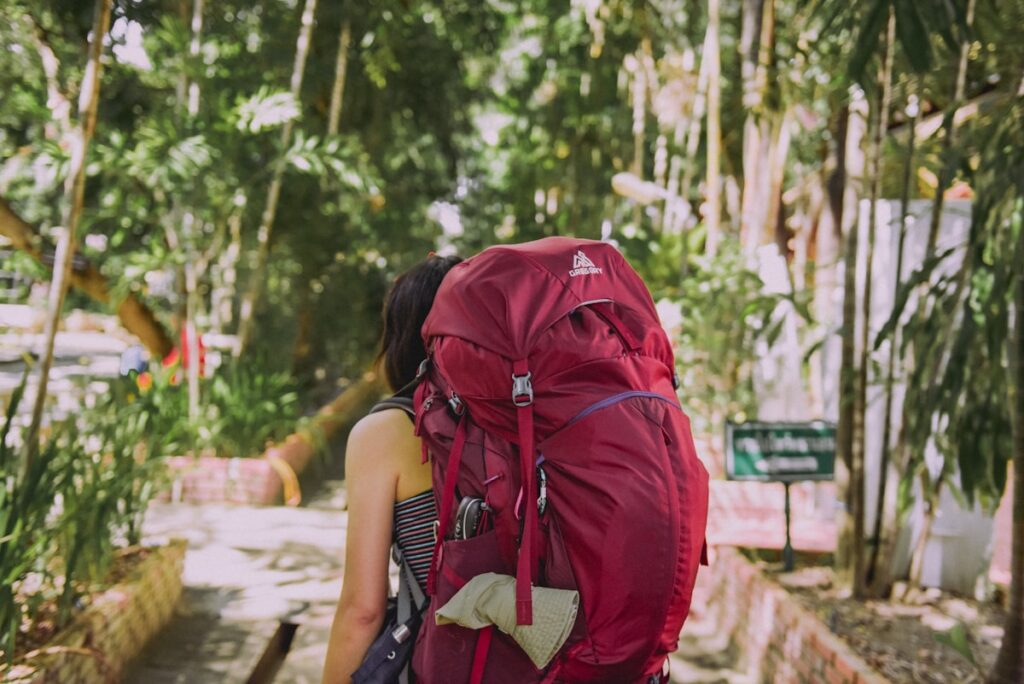
Real Travel Hacks That Save Money, Not Clickbait
The internet is full of “travel hacks” that don’t actually work — drink water on the plane, pack a reusable bag, smile at airport staff. Groundbreaking stuff. We’re skipping all of that and going straight to the travel hacks that save money — the strategies that work for real travelers on real budgets. These are the ones worth bookmarking.
This post contains affiliate links. If you purchase through our links, we may earn a small commission at no extra cost to you — thanks for supporting TravelCheapUS!
Flight Hacks That Actually Work
Search in incognito mode. Airlines and booking sites use cookies to track your searches. When they detect you’ve looked at a route multiple times, prices can creep up. Open a private browser window every time you search flights to see the base price without that markup.
Book one-way tickets separately. Round-trip tickets feel convenient, but sometimes two one-way tickets on different airlines cost significantly less. Search each leg independently on Google Flights before assuming the round trip is the better deal.
Use Google Flights’ calendar view. Instead of searching for specific dates, switch to the calendar or grid view in Google Flights. It shows you the cheapest days across an entire month at a glance. Moving your departure by one or two days can save $50–$150 on domestic routes.
Set price alerts, then wait. Google Flights and Hopper let you track a route and alert you when the price drops. Set alerts for routes you’re watching and let the algorithm do the work instead of checking prices daily.
Fly into secondary airports. Flying into Midway instead of O’Hare, Oakland instead of SFO, or Fort Lauderdale instead of Miami can save $40–$100 each way. Check all airports within an hour of your destination before booking.
Use points for premium routes, cash for budget routes. Points give the best return on expensive flights — long hauls, premium cabins, peak travel dates. On a $79 Southwest sale, pay cash. Save your points for the $400+ routes where the math actually works in your favor.
Accommodation Hacks
Book directly with the hotel after finding it online. OTAs like Expedia and Hotels.com add their margin to every booking. Once you’ve found a hotel on an aggregator, call the front desk directly. Most hotels will price-match and sometimes throw in extras — free breakfast, a room upgrade, early check-in — to earn the direct booking and avoid paying OTA commissions.
Check Airbnb last minute. Hosts dread empty calendars. In the 24–48 hours before a check-in date, many hosts slash prices by 20–40% to fill the gap. If your travel plans are flexible, browsing Airbnb within a day or two of arrival can land you a great deal.
Use free national forest and BLM camping. Dispersed camping on US Forest Service and Bureau of Land Management land is free and legal across huge swaths of the American West. Apps like FreeCampsites.net and iOverlander map thousands of free spots. This one hack alone can save you $30–$100 per night.
Use a free attractions directory. Once you know where you’re going, DiscoverCheapUS.com is our companion site — a searchable guide to free and cheap things to do across America, organized by state and city. Every listing is under $20, so you can plan your days without blowing your budget on activities.
Look at hostels even if you’ve never stayed in one. Modern US hostels are nothing like the sketchy reputation. Most have private rooms available for $60–$90, which beats comparable hotels, plus free common areas, kitchens, and built-in social life. Hostelworld and Booking.com both list them.
Sign up for hotel loyalty programs before you book — even if you only stay once. Marriott Bonvoy, Hilton Honors, and IHG One Rewards are all free to join and often give you a discount on your first stay just for signing up. Points accumulate even from single stays and can be used for free nights later.
Food Hacks
Eat your big meal at lunch. Most restaurants serve the same dishes for lunch at 20–40% less than dinner prices. A $28 dinner entrée becomes a $16 lunch. Make lunch your main meal, eat a lighter dinner from a grocery store, and you’ve cut your daily food spend significantly.
Hit happy hour like it’s a sport. From about 4–6pm, bars across the country offer half-price drinks and deeply discounted appetizers. Three or four apps from a happy hour menu can easily replace dinner for $12–$15 total. This works especially well in cities with strong bar cultures — Nashville, New Orleans, Austin, Denver.
Find the nearest ethnic grocery store. Mexican, Asian, and Middle Eastern grocery stores almost always have a prepared food section with fresh, cheap, and delicious options — tamales, dumplings, samosas, rice dishes — for $3–$6 a meal. Far better value and quality than fast food.
Use Too Good To Go. This app lets restaurants and bakeries sell their leftover food at the end of the day for $4–$6 instead of throwing it away. In most mid-sized and large US cities, you can get a surprise bag of restaurant food worth $15–$25 for a fraction of the price.
Packing and Gear Hacks
Pack carry-on only and skip bag fees. Airlines charge $35–$70 each way for checked bags. On a round trip, that’s up to $140 gone before you’ve bought a single meal. A well-packed carry-on and personal item covers most trips up to two weeks. This is one of the highest-ROI changes you can make.
Bring a reusable water bottle with a filter. Airport water bottles cost $4–$6. A filtered bottle like a LifeStraw or Grayl lets you fill up anywhere — airport fountains, hotel sinks, campsites — for free. Over a week-long trip, that’s an easy $20–$30 saved.
Download offline maps before you leave. Google Maps lets you download entire city or regional maps for offline use. No data, no roaming charges, no getting lost trying to load a map with one bar of service in the middle of nowhere.
Money and Spending Hacks
Get a no-foreign-transaction-fee credit card. Even within the US, some purchases — particularly at smaller vendors or tourist areas — can trigger fees. More importantly, if you ever travel internationally after building the budget travel habit, cards like the Chase Sapphire Preferred or Capital One Venture save you 3% on every transaction abroad.
Pull cash from your bank’s ATM network. Out-of-network ATM fees add up to $3–$5 per withdrawal. Use your bank’s app to find in-network ATMs, or open a Charles Schwab checking account, which refunds all ATM fees worldwide — one of the best free financial tools for travelers.
Track your spending daily, even roughly. Travelers who keep a loose mental (or written) tally of what they’ve spent consistently come home under budget. Those who don’t almost always overspend. You don’t need a spreadsheet — a quick note in your phone each evening is enough.
The Mindset Behind the Travel Hacks That Save Money
The real travel hack isn’t any single tip — it’s the willingness to be slightly less convenient than the average tourist. Eat where the locals eat. Sleep somewhere less predictable. Book things a little earlier or a little later than peak demand. Every one of these small choices compounds over the course of a trip into serious savings, and none of them require you to sacrifice the actual experience of being somewhere new.
Photo credit: Tristan Pineda on Unsplash